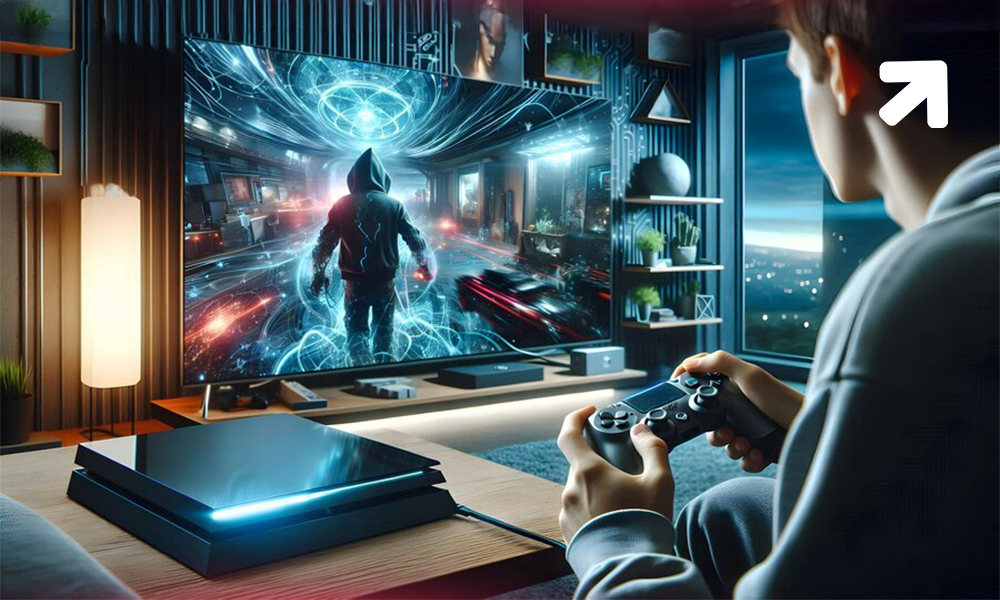
Integrating artificial intelligence (AI) in modern video games has revolutionised the gaming experience, making it more immersive, dynamic, and challenging. AI has become an essential element of game development, driving everything from non-player characters’ (NPCs) behaviour to personalised gameplay experiences.
As gaming technology advances, AI’s role has expanded, reshaping the landscape of video games in profound ways. Today, we’ll delve into the various aspects of AI in gaming, its evolution, and the innovations it brings to the table.
Adaptive Difficulty and Personalised Experiences
Modern AI in video games has paved the way for adaptive difficulty systems, which tailor gameplay to individual players’ skill levels and preferences. Rather than relying on static difficulty settings, AI can analyse a player’s actions and adjust the game’s difficulty in real time.
AI-driven adaptive difficulty systems ensure that players remain challenged without becoming frustrated. This creates a more personalised gaming experience, where players of all skill levels can enjoy the game without the need for manual difficulty adjustments.
Additionally, AI enhances casino games by providing personalised gaming experiences to players. In online casinos, AI algorithms can tailor recommendations based on user behaviour, create dynamic gaming experiences, and adjust the game difficulty to match player preferences. This level of personalisation makes digital casino games more engaging while offering enhanced security features to detect potentially fraudulent behaviour or risky patterns.
AI in NPC Behavior and Interaction
One of AI’s most prominent roles in video games is controlling non-player characters (NPCs). AI-driven NPCs are now more than just obstacles or opponents. They can react intelligently to player actions, making decisions based on the environment, the player’s tactics, and the overall game narrative.
In games like The Last of Us Part II and Red Dead Redemption 2, AI controls the behaviour of NPCs in a way that makes them feel more human. NPCs respond to changes in the environment, adapt their strategies during combat, and even communicate with each other in complex ways. For instance, enemies in The Last of Us Part II can recognize when a comrade has been killed, and they will adjust their behaviour accordingly, becoming more cautious or aggressive. This level of realism adds depth to the gameplay and enhances the emotional experience for the player.
Procedural Content Generation
Procedural content generation is another significant advancement in AI’s role in video games. AI algorithms now create entire game worlds, levels, and scenarios without direct human input. This technology allows for unique, ever-changing game environments that keep players engaged longer.
One of the most famous examples of procedural generation is Minecraft, where AI generates vast, infinite landscapes filled with mountains, caves, and resources. Each time a new world is created, it is entirely different from previous ones, offering players endless exploration opportunities. Similarly, in No Man’s Sky, AI powers the creation of billions of planets, each with its ecosystems, geography, and life forms, ensuring that no two players will have the same experience.
Procedural generation saves developers time by automating content creation. It allows for larger and more diverse game environments and enhances replayability as players face new challenges and environments each time.
AI in Game Design and Testing
Beyond enhancing gameplay, AI is also revolutionising game design and testing. Developers are increasingly using AI tools to assist in the creation of game mechanics, levels, and assets. AI can quickly analyse player feedback, identify bugs, and optimise performance, reducing the time and effort required for manual testing.
For example, AI-driven testing systems can simulate thousands of playthroughs in a fraction of the time it would take human testers to identify potential issues and refine game balance. This allows developers to focus on more creative aspects of game design, knowing that AI is handling the more repetitive, technical tasks.
The Future of AI in Video Games
As AI technology continues to evolve, its role in video games is expected to grow even further. Emerging trends in AI include more advanced machine learning systems that can learn and adapt to players’ behaviour over time, creating even more personalised and challenging experiences. For instance, AI could create enemies that learn from player tactics, forcing players to continually evolve their strategies.
Another area of growth is AI-powered voice and dialogue systems. In the future, NPCs could hold natural conversations with players, reacting to complex inputs and generating personalised responses. This could transform narrative-driven games, where AI-generated dialogue could offer players a more interactive and dynamic storytelling experience.
Final Words
AI has become a cornerstone of modern video game development, elevating gameplay to new heights through intelligent NPC behaviour, procedural content generation, adaptive difficulty, and enhanced design processes. The advancements in AI technology have made games more immersive, challenging, and enjoyable for players of all skill levels. As AI evolves throughout the years, the possibilities for its application in games are endless, promising even more innovative and engaging experiences for gamers worldwide.
 16+ Years of Tech Mastery
Transforming Ideas into Market Ready Platforms |
16+ Years of Tech Mastery
Transforming Ideas into Market Ready Platforms |