1. Introduction
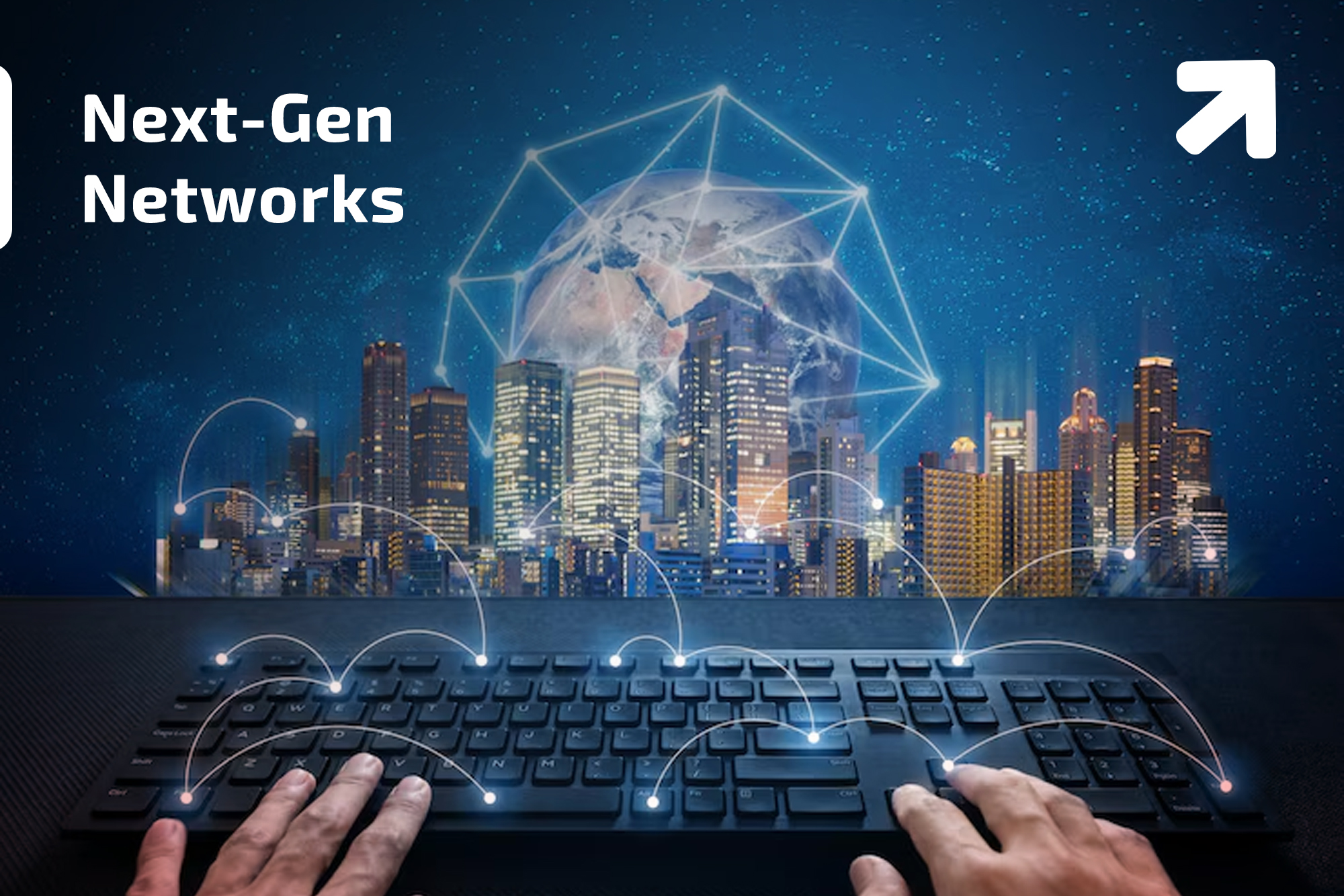
The telecommunication industry is changing by a huge shift. With the rollout of 5G, the rise of IoT, and the integration of AI-powered automation, the demand for advanced telecom software development services is skyrocketing. Companies in the world are finding smarter, cost-efficiency, and scalability solutions to manage the increased data requirements and guarantee connectivity flows flawlessly.
That’s where innovative companies like Fluper come into play, offering top-tier custom telecommunications software solutions to power the networks of tomorrow.
From the time of analog telephony to 5G and even to the current direction of 6G, the telecom networks have metamorphosed dramatically. The main concern of telecom in the previous generations was voice communication. It is now information, automation and real time intelligence.
Not only is better infrastructure needed but also advanced telecommunication software development that incorporates all technologies in the next generation networks. Hardware is no longer the center of discussion but software-defined networks (SDNs) and network function virtualization (NFV), that are extremely reliant on advanced software development.
Telecom software development services encompass the design, development, and deployment of digital solutions that empower telecom operators to manage their networks efficiently.
These services include:
- Network manager program.
- Billing and customer management with expert CRM software development
- Online communication solutions.
- AI-driven network analytics
- Internet of Things connectivity.
Put in simpler terms, they are the backbone that helps the telecom companies to offer high-quality services of continuous communications to millions of users daily.
Fluper specialises in providing telecom software development and white label SEO Services tailored to the specific needs of telecom operators, service providers, and enterprises looking to leverage connectivity technologies.
4. Why Next-Gen Networks Need Advanced Software Solutions
The next-generation networks do not only deal with faster internet speeds, but they are all about creating intelligent, automated, and highly reliable systems. As the network of connected devices expands at an impressive rate due to IoT and more and more applications requirea data-heavy workload.
4.1 Real-time Analytics
Intensive software allows real-time monitoring and analytics so that the network operators can monitor the performance, identify bottlenecks, and solve the problems in a short period. This will guarantee a stable quality of service, reduce downtimes, and add to user experience.
4.2 Scalability
The contemporary networks should be able to handle millions of connected devices at a time. software-based solutions allow networks to scale unproblematically to large amounts of traffic without decreasing the speed or reliability.
4.3 Automation
Network management can and is being automated by artificial intelligence (AI) and machine learning (ML), thus removing manual network management. Balancing of loads, fault detection and routing of traffic can be done automatically and this increases efficiency and reduces the costs of operation.
4.4 Enhanced Security
The threats to cybersecurity are evolving at an extremely rapid pace as the networks are becoming advanced. Complex computer systems are very secure and may use smart firewalls, encryption and real time threat detection to ensure data integrity and help in protecting critical infrastructure.
4.3 Automation
Artificial intelligence (AI) and machine learning (ML) automation make it possible to eliminate manual network management. Load balancing, fault detection, and traffic routing are tasks that can be automatically performed, and this enhances efficiency and lowers the costs of operation.
4.4 Enhanced Security
The threats of cybersecurity are evolving at a very high pace with the network becoming sophisticated. Complex software systems provide a high level of security using intelligent firewalls, encryption, and real-time threat detection where the integrity of the data would be ensured and the critical infrastructure would be secured.
5. Key Technologies Powering the Future of Telecom
5.1 5G and Beyond
5G has transformed the telecom world. It is assured of ultra-low latency, gigantic bandwidth, and real-time connectivity. However, the actual strength is the software which facilitates 5G network slicing, automation, and management.
Vendors of telecom software, such as Fluper create bespoke software to assist telecommunication companies with streamlining their 5G networks and prepping 6G, which will require even more of the software-based orchestration.
5.2 Automation and Artificial Intelligence.
The silent power of AI has led to the telecom revolution. Predictive maintenance to automated customer support AI-based telecom software development services are making operations leaner and contributing to better customer satisfaction.
Examples include:
- Artificial intelligence customer service chatbots.
- Forecasting algorithms to detect faults in the network.
- Computerized systems of allocating resources.
These smart solutions reduce downtime and maximize performance in the complex telecom networks.
5.3 The Internet of Things (IoT)
IoT ecosystem has a high level of dependence on seamless connection which in turn is dependent on telecommunication software development . The information is also demanding rapid software solutions to process the enormous data as billions of sensors and devices deliver information to the world.
Fluper, as a leading software development company in Dubai, builds IoT integration platforms that allow telecom providers to connect and control devices in industries like healthcare, logistics, and smart homes.
5.4 Cloud and Edge Computing
Telecom operators are gradually transitioning to a cloud-native architecture and edge computing design. These allow processing of data faster and closer to people and enhance the efficiency of operations in networks.
Through the use of custom telecommunications software, telecommunication firms have the ability to use edge nodes, run virtual network functions, and provide content within lightning speeds. This hybrid set of cloud-based software development of telecom infrastructure and edge computing is what is key to driving next-gen connectivity.
6. Benefits of Custom Telecommunications Software Solutions
The development of telecom software services is an essential element of the modern connectivity as the technologies of 5G, AI, IoT, and cloud computing transform the telecom industry.
Key Highlights
- Advanced Networks: Next-gen networks can be automated, scaled, and real-time over telecommunication software development.
- Custom Solutions: Fluper that is one of the most popular android app developers in Dubai, is an example of firms that deal with custom telecommunications software, specializing in providing highly secure, analytical and management software solutions to its customers.
- Technological Addition: Communication will be enhanced using AI and edge computing, as well as automated data-driven communication and become faster, smarter, and more reliable.
- Outsourcing Benefit: Telecom software outsourcing is a cost-saving and technology know-how option many businesses choose to utilize in order to gain access to international technology.
- Prospects: With the industry transition to 6G, telecom software development will remain the key driver of innovation, allowing intelligent, secure, and efficient networks.
Fluper remains at the forefront of this evolution,powering the next generation of telecom solutions worldwide.
In the modern, highly competitive telecom sector, it is a stressful period that companies must innovate, roll out new services as well and keep the networks running at a high level. Specialized software development may prove to be costly, long-term, and troublesome to entirely handle in-house, particularly due to the fast technological dynamics. This is where telecom software outsourcing emerges as a strategic solution.
7.1 Availability of Global Skilled Talent.
Outsourcing exposes the organization to a source of highly skilled employees globally. Firms have access to AI, ML, IoT, 5G, and other cutting-edge technologies professionals who can provide solutions that meet current telecommunication requirements.
7.2 Faster Project Delivery
Outsourcing teams are specialized teams that are experienced in dealing with complicated projects effectively. This will speed up the development cycles ,and new features and services will be deployed at a faster rate.
7.3 Cost-Effective Development
Outsourcing saves costs of operation since they do not need to hire, train, and maintain large in-house teams. Businesses are in a position to increase or reduce resources according to the needs of a project and maximize their budgets.
7.4 Latest Technology Adoption
Telecom software outsourcing partners are also being kept abreast with the emerging technological trends and therefore, telecom solutions remain current, effective and relevant to the future.
One should choose the appropriate partner. Here’s what you should look for when selecting a telecom software development company:
- Telecom Sector Experience: The telecom partner must possess a record of developing software that specializes in telecommunication.
- IT Knowledge: AI, ML, 5G, IoT, and cloud knowledge.
- Customization: Ability to deliver custom telecommunications software solutions suited to your goals.
- Security Compliance: The compliance with international standards such as GDPR and ISO.
- Client Reviews & Portfolio: Some successful projects and acts of positive feedback.
Fluper has all these boxes, and therefore, this renders it as one of the surest options in the market among businesses that would wish to explore telecom ingenuity.
9. The Future of Software Development for Telecom
In 2030, the telecom will be a complete software-based, fully digital ecosystem. As software development for telecom continues to evolve, here are some key trends shaping the future:
- 6G Networks: Will require even smarter software systems (AI-driven).
- Repairing Networks: Automatic fault detection and recovery.
- Sustainability: Smart network software with energy efficiency.
- Blockchain Implementation: To have secure and transparent communication systems.
- Hyper-personalized Services: Data analytics and machine learning.
Telecom will have software as its central nervous system, and it will coordinate all the connections to connectivity to customer experiences.
10. Conclusion
The future in telecom is in the hands of the innovators. Telecom software development services are the driving force behind this transformation,e nabling smarter, faster, and more secure communication across the globe.
Whether it’s AI-powered automation, 5G-enabled solutions, or custom telecommunications software solutions, the telecom industry’s evolution depends on strong software foundations.
Such companies as Fluper keep establishing new standards in terms of integrating both technical skills and forward-looking with a visionary approach. Being one of the leading software development companies in Dubai, Fluper is assisting telecom enterprises to make their way in the confusing digital world and create networks that are prepared to work with the next generation.
In an opportunity to turn your business into a telecom revolution, it is time to consider the opportunities of telecom software development, since the future of connectivity will be covered by code.
FAQ’s
- What are telecom software development services, and why are they important?
They assist telecommunication firms to maintain networks, automate, and enhance customer experience using scalable and dependable solutions.
- What will be the benefits of the custom telecommunications software solutions to my business?
They will be customized to your requirements, enhancing efficiency, network control, and providing highly developed services, such as 5G and IoT.
- Why then should I consider telecom software outsourcing?
Outsourcing is a way of accessing qualified developers at reduced costs, and also shortens the time taken to deliver a project in a short duration without necessarily having to have big team in-house.
- What do I need to seek in a company that is a telecom software developer?
Choose a partner in telecommunications, with experience, expertise in the areas of AI, ML, 5G, IoT, security compliance, and project portfolio.
- Can you find an Android application developer to work in telecom applications?
Yes, they create mobile applications that make them more connected, communicate better with customers, and facilitate an IoT or AR/VR telecommunication platform.
 16+ Years of Tech Mastery
Transforming Ideas into Market Ready Platforms |
16+ Years of Tech Mastery
Transforming Ideas into Market Ready Platforms |