With the massive growth of platforms like Spotify, Apple Music, and Amazon Music, the music streaming industry has transformed how people consume audio content. The convenience, personalization, and accessibility offered by music streaming apps have made them indispensable in today’s digital ecosystem. If you’re looking for a music streaming app development, understanding the key features, technology stack, and development costs is essential for building a successful product.
In this blog, we’ll explore the must-have features, recommended tech stack, and a detailed cost breakdown for music streaming app development in 2025.
Why Invest in Music Streaming App Development?
The global music streaming market is expected to reach $103.07 billion by 2030, growing at a CAGR of 14.7% from 2023 to 2030 (source: Grand View Research). With such a promising future, launching a feature-rich music streaming app is a lucrative business opportunity for entrepreneurs and enterprises alike.
Key reasons to invest:
-
Rising smartphone and internet penetration
-
Increase in subscription-based revenue models
-
Growth of podcasts and audio-based content
-
Personalized AI-driven experiences
Essential Features of a Music Streaming App
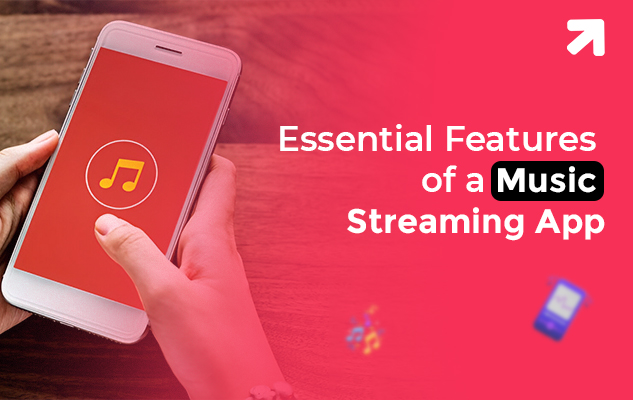
When building a music app, features determine the quality of user experience. Below are the core features your app should include:
1. User Registration & Profile Management
Enable users to register via email, social media, or phone number. Allow profile customization and usage tracking for a personalized experience.
2. Search & Discovery
Advanced search functionality lets users find songs by title, artist, genre, album, or mood. Integrate AI-based recommendation systems for discovering new tracks.
3. Music Library & Playlists
Offer access to millions of tracks and allow users to create, save, and share custom playlists.
4. Streaming & Downloading
Let users stream music in real time or download songs for offline listening. Include options for different audio quality levels (low to high bitrate).
5. Push Notifications
Keep users engaged with new song alerts, artist updates, playlist suggestions, and personalized offers.
6. Social Sharing
Allow users to share their favorite songs or playlists with friends via social media or within the app community.
7. Subscription Plans
Provide freemium models with ads and premium plans with ad-free listening, higher quality, and offline access.
8. Admin Dashboard
Manage user accounts, content uploads, analytics, revenue, and user behavior from a centralized dashboard.
9. Analytics & Insights
Track user engagement, popular content, and retention metrics to make informed business decisions.
10. Multi-Device Syncing
Enable seamless switching between devices like smartphones, desktops, and smart speakers.
Advanced Features to Stand Out
To differentiate your music streaming app in a competitive market, consider integrating:
-
AI-Powered Recommendations: Personalized music feeds using machine learning algorithms.
-
Voice Commands: Integration with voice assistants like Siri, Alexa, or Google Assistant.
-
Lyrics Display: Real-time lyrics sync for sing-along features.
-
Podcast Integration: Add popular or exclusive podcast content to boost engagement.
-
Live Streaming & Events: Allow artists to host live performances and Q&A sessions.
Recommended Tech Stack
Choosing the right tech stack is vital for scalability, performance, and future maintenance. Here’s a breakdown of technologies often used in music streaming app development:
1. Frontend Development
-
iOS: Swift, UIKit
-
Android: Kotlin, Jetpack Compose
-
Cross-platform: React Native, Flutter
2. Backend Development
-
Languages: Node.js, Python, Ruby on Rails
-
Frameworks: Express.js, Django
-
Streaming Protocols: HLS (HTTP Live Streaming), RTMP
3. Database
4. Cloud Storage & Hosting
-
AWS S3 (music file storage)
-
Google Cloud Platform or Azure
-
Firebase (for real-time features)
5. Music API Integration
-
Spotify API, Deezer API, Apple MusicKit (for licensing or metadata)
-
Last.fm API (for recommendation and scrobbling)
6. Payment Gateways
-
Stripe, PayPal, Razorpay, Google Pay, Apple Pay
7. Analytics & Push Notifications
8. Security
Cost Breakdown of Music Streaming App Development
The total development cost depends on several factors like platform choice (iOS, Android, or both), app complexity, design quality, and the development team’s location.
Here’s a rough cost estimate:
| Development Area |
Estimated Cost (USD) |
| UI/UX Design |
$5,000 – $10,000 |
| Frontend Development |
$15,000 – $25,000 |
| Backend Development |
$20,000 – $30,000 |
| Music Streaming Integration |
$5,000 – $10,000 |
| Admin Panel |
$7,000 – $12,000 |
| QA & Testing |
$5,000 – $8,000 |
| Deployment & Maintenance |
$3,000 – $6,000 |
| Total |
$60,000 – $100,000 |
Factors Influencing the Cost:
-
Number of platforms (iOS, Android, Web)
-
Choice between native or cross-platform development
-
Third-party integrations (APIs, payment gateways)
-
Licensing fees for streaming copyrighted music
-
Location of your development team (North America vs. South Asia)
Monetization Models
You can monetize your music streaming app using several methods:
-
Freemium Model – Offer a basic version with ads and premium plans for better features.
-
Subscription Model – Monthly or annual subscription fees.
-
Ad-Based Revenue – In-stream and banner ads using platforms like Google AdMob.
-
In-App Purchases – Buy exclusive content or features.
-
Sponsorships & Partnerships – Partner with artists or brands for exclusive content.
Final Thoughts
Music streaming app development in 2025 is not just about building a player — it’s about creating a personalized, immersive, and seamless user experience. You can launch a competitive product in this booming market by incorporating essential and advanced features, leveraging the right tech stack, and understanding the cost implications.
Whether you’re a startup or an established brand, investing in a music streaming platform can position your business at the forefront of the digital entertainment industry.
Looking to develop a custom music streaming app?
Partner with experienced app developers who understand the nuances of audio tech, licensing, and user experience.
 16+ Years of Tech Mastery
Transforming Ideas into Market Ready Platforms |
16+ Years of Tech Mastery
Transforming Ideas into Market Ready Platforms |