Think about how many apps you’ve on your phone right now. There’s one for ordering pizza, one for getting a ride, one more for paying bills, and probably like ten for shopping. It’s honestly a bit much, right? Now imagine if you could do all this with just one app. That’s the whole idea behind a multi-service super app, and it’s genuinely changing how we live our digital lives. Companies like WeChat, Gojek, and Grab cracked the code on this years ago, and now businesses everywhere are racing to catch up.
Here in the UAE and around the world, everyone’s getting into super app development because, let’s face it, people are tired of juggling a million apps. This guide is going to walk you through the entire process of how to develop a multi-service super app from those first “hey, what if we…” conversations all the way to seeing your app go live. We’ll cover the features you absolutely can’t skip, what you should expect to spend, and some real talk about what works and what doesn’t.
What is a Multi-Service Super App and Why Build One?
A super app is basically your phone’s version of a Swiss Army knife. Instead of carrying around a bunch of separate tools, you’ve got everything you need in one neat package.
Understanding Multi-Service Super Apps
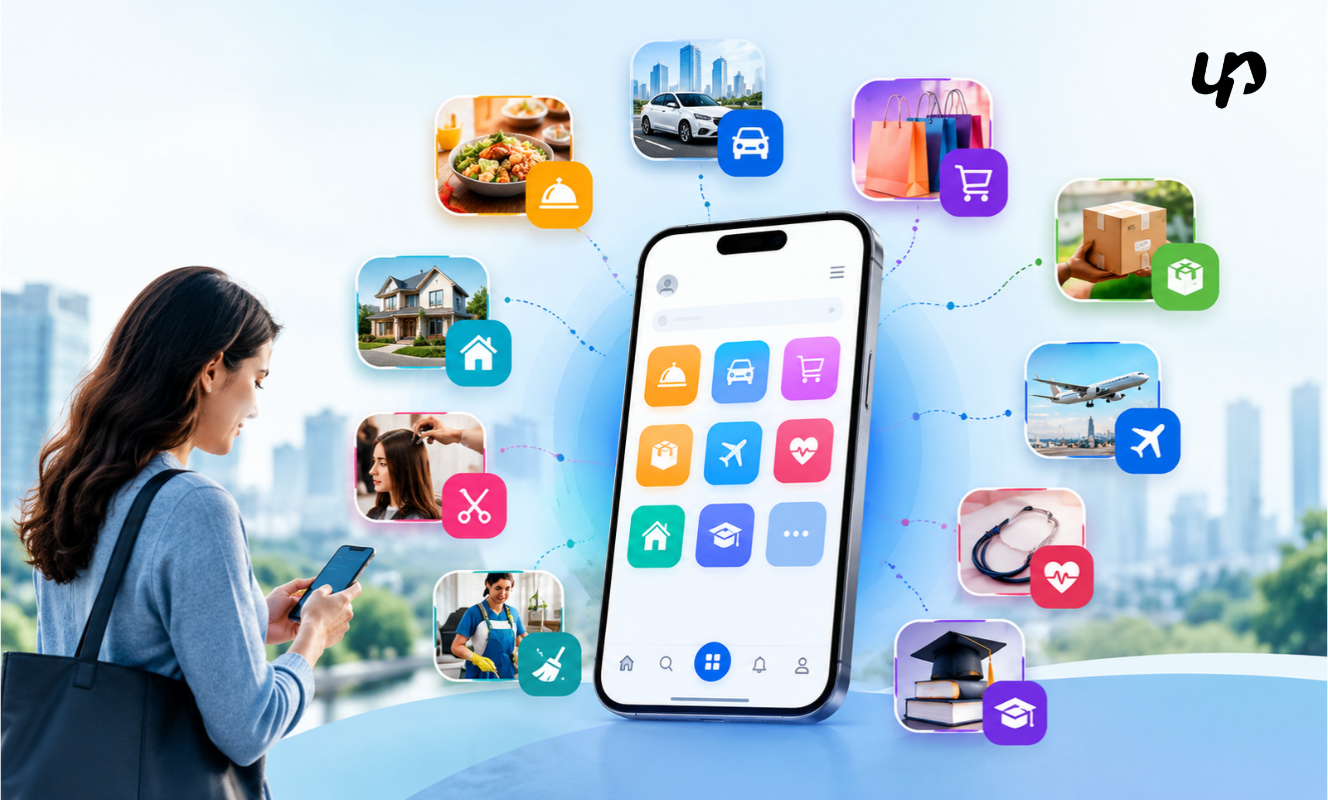
So what exactly is a multi-service super app? Picture an app that handles food delivery, ride bookings, bill payments, and online shopping—all without you ever leaving to open something else. That’s pretty different from regular apps that just do one thing really well. Normal apps are specialists, but super apps? They’re more like generalists who happen to be good at everything. Gojek is a perfect example. They kicked off as just a motorcycle taxi service in Indonesia, but now you can order dinner, pay your electric bill, get groceries delivered, and even book a massage through them. WeChat took things even further in China—you can text your friends, split dinner bills, buy concert tickets, and access government documents all in the same app. Alipay and Careem followed similar paths. It turns out that people really don’t want to download separate apps for every little thing they need to do.
Step-by-Step Process to Develop a Multi-Service Super App
Building a super app takes real planning and strategy. You can’t just wing it and hope for the best. Let me break down exactly how to pull this off.
1. Conduct Comprehensive Market Research
Look, I get it—this part isn’t as exciting as actually building something. But trust me, skipping research is how apps end up failing spectacularly. You’ve got to dig into what people in your market actually want, not what you think they want. Spend time looking at what your competitors are doing and, more importantly, what they’re messing up. Study the success stories like Gojek and figure out which services really took off and why.
2. Hire Android App Developers and iOS App Development Services
Your development team is everything. I mean it—they can take a decent idea and make it incredible, or take a great idea and completely ruin it. You really want to partner with a mobile app development company in the UAE that’s actually shipped something complex before, not just built basic apps. Look for folks who know their way around Flutter or React Native—these tools let you write code once and have it work on both iPhones and Androids, which saves you so much time and money.
3. Design an Intuitive UI/UX
Here’s the deal—people will delete your app faster than you can say “user experience” if it’s confusing or clunky. Your design needs to make instant sense to everyone, whether they’re millennials who grew up with smartphones or grandparents who just figured out how to send emojis. Build wireframes early and test prototypes with actual people before you commit to anything.
4. Select the Right Tech Stack
The technology choices you make now will either set you up for success or create headaches for years. For the frontend stuff (what users actually see and interact with), Flutter or React Native are both solid picks that work across platforms. For the backend, Node.js and Python are both great—honestly, just go with whatever your team knows best because expertise matters more than which one is theoretically “better.” You’ll want MongoDB or MySQL handling your database needs—both can handle tons of users and data without choking.
5. Build and Integrate Core Features
Here’s my advice—start with an MVP (Minimum Viable Product) that just has your absolute must-have services. It’s so tempting to want to build everything at once, but that’s how you blow through your budget and never actually launch. Build in a modular way so you can plug in new services later without having to tear everything down and start over. Get your payment gateway rock-solid from day one, and don’t even think about cutting corners on security. One data breach and you’re done—it’s not worth the risk.
6. Rigorous Testing and Quality Assurance
Testing is honestly one of those things that seems boring until you skip it and everything breaks in production. You want to catch every problem before your users do, because they’re way less forgiving than your test team. Make sure every feature actually does what it’s supposed to do. Load test the heck out of it—simulate hundreds or thousands of users hitting your app at once and see if it can handle the pressure. Test your security like a hacker would, because actual hackers definitely will.
Time to get your app out into the world. Submit it to Google Play Store and Apple App Store, and make sure you’re following all their guidelines—getting rejected and having to resubmit is a huge time waste. Put together a real marketing strategy that includes social media (where your users actually hang out), partnerships with influencers who can reach your target audience, and targeted ads that show up in front of the right people.
Must-Have Features for Your App Like Gojek
If you’re serious about building an app like Gojek, there are some features you absolutely cannot skip. These aren’t nice-to-haves they’re deal-breakers.
- User-friendly interface with easy navigation
- Service categories organised by type
- Real-time tracking
- Integrated payment system
- User profiles and preferences
- Rating and review system
- Loyalty programs and discount offers
- In-app chat functionality
- Push notifications
- Multi-language support
Expert Tips for Successful Super App Development
I’ve seen a lot of these projects over the years some succeed spectacularly, others crash and burn. Here are the strategies that actually work, learned from real experience.
- Start with an MVP
- Prioritise user experience
- Choose a scalable architecture
- Focus on security
- Optimise performance
- Gather user feedback
- Partner with experienced developers:
- Plan monetisation early
Conclusion
Building a multi-service super app is not an easy task. Anyone who tells you otherwise is lying. But when you get it right, it’s incredibly rewarding. You need solid planning from the start, smart choices about technology, and a team that genuinely knows what they’re doing. The UAE market is honestly perfect for these platforms right now because smartphone adoption is through the roof, and people here really value convenience. Getting experienced iOS app development services and quality Android app developers on board means you’re not just throwing spaghetti at the wall hoping something sticks. Start your super app development journey by doing real research, setting goals that actually make sense, and being honest with yourself about what things will cost. Whether you’re trying to build the next app like Gojek or something that serves a specific niche market, just focus on solving genuine problems that real people deal with every day.
Frequently Asked Questions
- How Much Time It Take To Design a Multi-Service Super App?
It totally depend on what you’re building, but in common anywhere from 2 to 7 months,. A basic MVP usually takes 2-3 months, while on another hand packed with features needs closer to 5-7 months.
2. Which method is Better for Super App Development: Native or Cross-Platform?
Cross platform is primarily the better move, especially using something like Flutter or React . In this one single code works for both iOS and Android, which will saves you tons of time and money. Native apps perform a tiny bit better, but they cost way more and take forever to build since you’re essentially making two separate apps.
3. Can I Add New Features to My Super App After Launch?
Yes, but it also depend on how open your code is to plug in new line of codes.
4. What Are the Biggest Challenges for Building an App Like Gojek?
The toughest parts for apps like gojek is definitely getting realtime data tracking to work accurately. it’s trickier than it sounds. Then you’ve to integrate a secured payment gateway systems.
5. Do I Need Two Separate Teams for Android and iOS App Development Services?
Nothing like that, if you’re going the cross platform route with Flutter or React Native. One good team can handle both the platforms, which is way more efficient than coordinating two separate teams. Sometimes you might need specialised Android app developers for specific features, but usually, a decent full-service mobile app development company in the UAE can do everything without needing separate teams for each platform.
 16+ Years of Tech Mastery
Transforming Ideas into Market Ready Platforms |