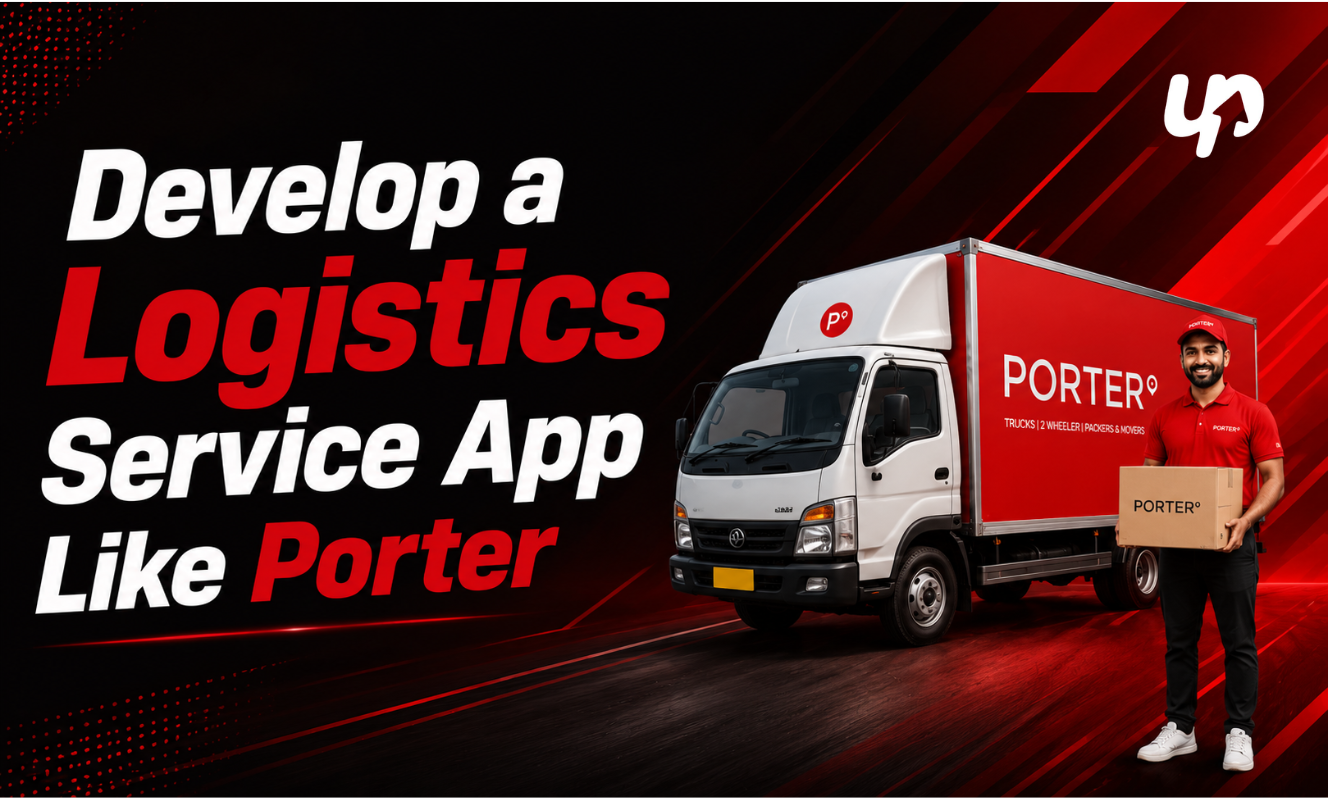
Developing a logistics service app like Porter requires defining your freight and delivery model- intracity trucking, last-mile delivery, or multi-modal logistics- selecting the right feature set covering real-time vehicle tracking, instant price estimation, driver-customer matching, live order management, and multi-payment processing, choosing a scalable technology stack, and partnering with an experienced mobile app development company in India or globally that understands both the engineering complexity and the operational dynamics of on-demand logistics platforms. Porter succeeded by solving a specific, underserved problem: making intracity goods transport as simple to book as a ride-hailing app- with instant pricing, real-time tracking, and guaranteed vehicle availability replacing the unreliable, negotiation-heavy informal truck booking market.
The logistics app development cost for a porter-like app ranges from USD 40,000 for a focused MVP to USD 400,000 and above for a full-featured, multi-city platform with AI-powered route optimization and fleet analytics. Fluper is the global logistics app development partner that builds on-demand freight and delivery platforms to the performance, reliability, and scalability standards that logistics operations demand.
Why Logistics App Development Is a Global Opportunity in 2026
The global logistics technology market was valued at approximately USD 21 billion in 2023 and is projected to exceed USD 65 billion by 2030. On-demand urban logistics- the specific category Porter operates in- is the fastest-growing segment, driven by the explosion of e-commerce, the rise of same-day and next-day delivery expectations, and the structural inefficiency of traditional freight booking in emerging markets across Asia, Africa, the Middle East, and Latin America.
Porter’s model- applying the ride-hailing playbook to intracity goods transport- has proven replicable across geographies. The core insight is universal: businesses and individuals regularly need to move goods within a city, the traditional process of finding and negotiating with transport providers is slow and unreliable, and a platform that offers instant booking, transparent pricing, and real-time tracking solves that problem in a way that users are willing to pay a premium for.
Apps like Porter have launched successfully across Southeast Asia, the Middle East, Africa, and Latin America- each adapting the core model to local vehicle types, payment preferences, and regulatory environments. In 2026, the opportunity to build an app like Porter remains significant in markets where urban logistics is still dominated by informal, undigitized transport networks. The businesses that build the right platform with the right technical foundation in these markets today will hold the same structural advantages that Porter holds in India.
What Makes Porter Successful- Key Lessons
Before building a logistics service app like Porter, understanding what specifically drives Porter’s commercial success is directly applicable to any logistics app development project regardless of geography.
The first lesson is pricing transparency at the point of booking. Porter’s instant, upfront price calculation- based on vehicle type, distance, and time- eliminated the negotiation friction that characterized traditional truck booking and gave customers the confidence to book without price uncertainty. Transparent, algorithmic pricing is non-negotiable for an on-demand logistics platform.
The second lesson is supply-side depth. A logistics marketplace has no value to customers if vehicles are unavailable when needed. Porter invested heavily in driver acquisition and retention before focusing on demand growth- ensuring supply density in each city before expanding. The technology must support this: driver onboarding, earnings tracking, incentive management, and performance analytics that make the platform commercially attractive for drivers and fleet operators.
The third lesson is multi-vehicle type coverage. Porter’s expansion from two-wheelers to mini-trucks, large trucks, and specialized vehicles significantly broadened the addressable market without requiring a new platform- because the underlying booking, tracking, and payment infrastructure scaled across vehicle categories. Building the architecture to support multiple vehicle types from day one is significantly more efficient than retrofitting it later.
Must-Have Features for an App Like Porter
1. Instant Price Estimation
Real-time fare calculation based on pickup location, delivery destination, vehicle type, estimated distance, time of day, and demand-based surge pricing- displayed to the customer before booking confirmation with full cost breakdown. Pricing transparency is the feature that most directly converts first-time users into repeat customers, and the algorithm behind it needs to balance customer affordability with driver earnings sustainability.
2. Real-Time Vehicle Tracking
Live GPS tracking of the assigned vehicle from acceptance through pickup and delivery- with the map view updating in real time, estimated arrival time displayed dynamically, and route deviation alerts for both customer and operations teams. Real-time tracking is the feature that most directly reduces customer anxiety in a logistics booking and the capability that most consistently drives positive reviews and repeat usage.
3. Multi-Vehicle Type Selection
A clear, visually differentiated vehicle selection interface- covering two-wheelers for small parcels, mini-trucks for mid-sized loads, full trucks for large freight, and specialized vehicles for temperature-sensitive or fragile cargo. Each vehicle type should display payload capacity, approximate dimensions, and price range to help customers make the right selection for their specific requirement.
4. Driver and Fleet Management
A driver-facing application covering booking notifications, navigation, earnings tracking, trip history, document management, and performance metrics. Fleet operator tools covering multi-vehicle booking management, driver performance oversight, earnings disbursement, and compliance documentation. The driver experience quality directly determines supply-side retention- and supply-side retention is the operational foundation of the entire platform.
Technology Stack for Logistics App Development
The technology stack behind a logistics app like Porter determines its real-time tracking performance, its pricing algorithm responsiveness, its ability to scale across cities, and its reliability under peak demand conditions- all of which are operationally critical in a real-time logistics environment where downtime or performance degradation directly translates into failed deliveries and lost revenue.
For mobile development, Flutter is the optimal cross-platform choice for most porter like app development builds- delivering iOS and Android coverage from a single codebase with the performance characteristics required for smooth real-time map rendering and live booking state management. Separate driver and customer applications should be built from the same codebase but with distinct UI flows optimized for their respective user journeys.
Backend infrastructure should be built on Node.js with a microservices architecture deployed on AWS or Google Cloud- with WebSocket connections for real-time tracking data, Redis for live location caching and session management, and PostgreSQL for transactional data. The pricing engine should be a dedicated microservice capable of sub-second fare calculation at scale, with the ability to incorporate dynamic demand and supply variables without blocking other application functions.
Mapping and routing should be built on Google Maps Platform- using the Directions API for route calculation, Distance Matrix API for multi-stop optimization, and Maps SDK for mobile for the customer and driver tracking interfaces. Real-time location updates should be transmitted via WebSocket at one to three second intervals, with server-side smoothing to produce fluid map animation on the customer interface.
How Much Does Logistics App Development Cost
The logistics app development cost for a porter-like app development project varies based on the number of vehicle types supported, the geographic scope of the initial launch, the complexity of the pricing algorithm, and the depth of the analytics and fleet management capabilities required.
A focused MVP- covering a single vehicle type, instant booking with real-time tracking, basic driver application, and core payment processing- typically costs USD 40,000 to USD 80,000 and takes ten to sixteen weeks. This is the right starting point for entrepreneurs validating the logistics platform model in a new market before committing to full-platform investment.
A mid-complexity logistics app– adding multiple vehicle types, multi-stop delivery, scheduled booking, in-app communication, business invoicing, and a driver management dashboard- typically costs USD 120,000 to USD 250,000 with a development timeline of five to eight months.
A full-featured platform at Porter’s operational maturity- covering AI-powered route optimization, surge pricing algorithms, fleet analytics, multi-city architecture, enterprise API for business customer integration, and comprehensive operations dashboards- starts at USD 280,000 and scales to USD 400,000 and above depending on the AI and analytics depth required.
Annual maintenance- covering mapping API costs, server infrastructure scaling, security updates, driver app updates, and feature development- typically runs 18% to 22% of the original build cost for logistics platforms, reflecting the ongoing infrastructure costs of real-time location tracking at scale.
| Cost Item |
Estimated Cost (USD) |
| Cloud infrastructure (AWS / GCP) |
$10,000 – $60,000 / year |
| Google Maps Platform API costs |
$8,000 – $40,000 / year |
| Real-time infrastructure (WebSocket / Redis) |
$5,000 – $20,000 / year |
| Security & performance updates |
$5,000 – $15,000 / year |
| Driver app OS compatibility updates |
$5,000 – $15,000 / year |
| General maintenance (18–22% of build) |
$15,000 – $80,000+ / year |
Why Fluper Is the Right Partner to Build Your Logistics App
Fluper is the logistics app development partner that on-demand freight businesses, logistics startups, and fleet operators choose when the platform needs to perform reliably at scale, handle real-time data at the volume that a live logistics operation generates, and deliver the driver and customer experience that retains both sides of the marketplace.
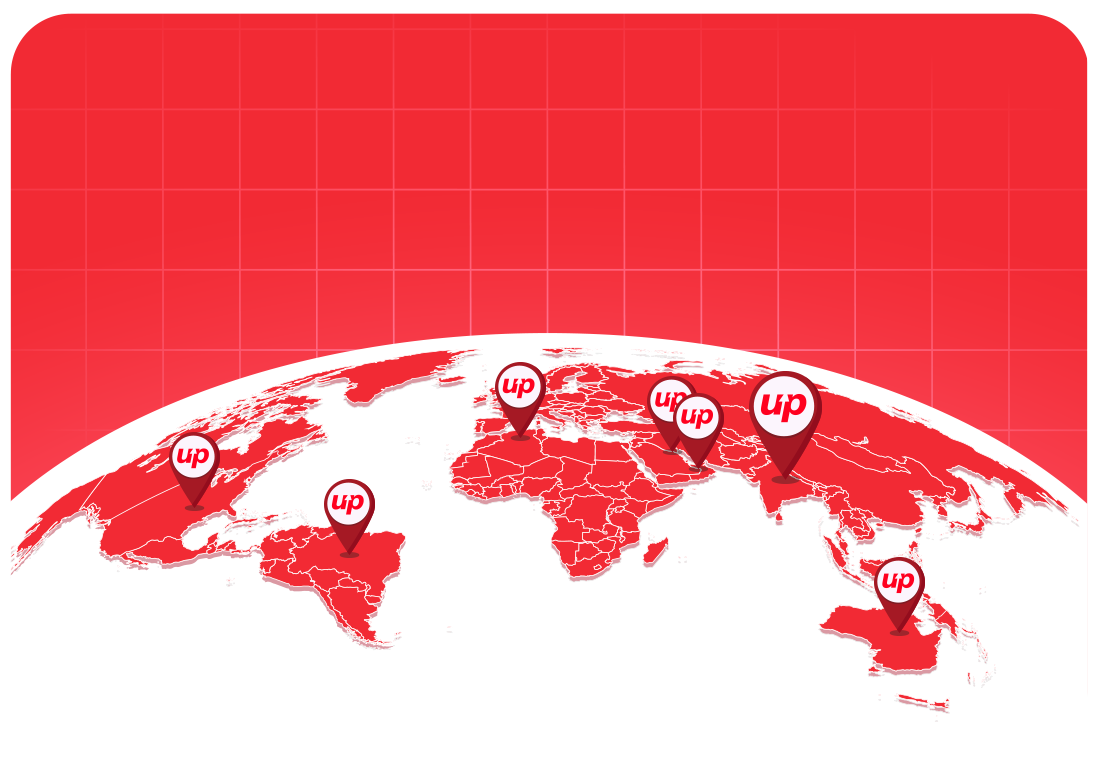
Fluper’s logistics technology practice brings direct experience in real-time tracking architecture, WebSocket-based location streaming, dynamic pricing engine development, multi-vehicle type platform design, driver application UX, and the operations dashboard infrastructure that logistics businesses need to manage growth efficiently. As a mobile app development company in India and globally distributed development partner, Fluper serves logistics clients across South Asia, Southeast Asia, the Middle East, Africa, and beyond- with the regional market knowledge and technical depth that on-demand logistics platform development demands.
Every Fluper logistics engagement begins with an operational and product discovery phase- ensuring the platform architecture reflects actual dispatch workflows, driver acquisition economics, and market-specific payment requirements rather than a generic on-demand app template. Post-launch support covers mapping API optimization, real-time infrastructure scaling, pricing algorithm tuning, and the feature development that keeps a logistics platform operationally competitive as it grows.
FAQs
- How much does it cost to develop an app like Porter?
The logistics app development cost for a porter-like app development project ranges from USD 40,000 for a focused MVP to USD 400,000 and above for a full-featured multi-city platform with AI route optimization and enterprise fleet analytics. Most mid-complexity apps like Porter fall between USD 120,000 and USD 250,000.
- How long does logistics app development take?
A basic MVP takes ten to sixteen weeks. A mid-complexity platform takes five to eight months. A full-featured enterprise logistics platform takes nine to fourteen months. Well-defined scope at kickoff is the most consistent factor in on-time delivery.
- What are the core features of an app like Porter?
The non-negotiable features for a competitive logistics service app are instant price estimation, real-time vehicle tracking, multi-vehicle type selection, driver and fleet management tools, multi-stop and scheduled delivery, in-app communication, multi-method payment processing, and an operations management dashboard.
- What technology does Fluper use to build logistics apps?
Fluper builds logistics app development projects on Flutter for cross-platform mobile, Node.js microservices backend on AWS or Google Cloud, WebSocket for real-time location streaming, Redis for live data caching, PostgreSQL for transactional data, and Google Maps Platform for routing and tracking.
- Why choose Fluper to develop a logistics app?
Fluper combines real-time tracking architecture experience, dynamic pricing engine development capability, driver application UX expertise, and a discovery-first engagement model that produces accurate pricing and on-time delivery. As a mobile app development company in India with global delivery capability, Fluper brings the operational domain knowledge and technical depth that serious logistics platform development demands.
 16+ Years of Tech Mastery
Transforming Ideas into Market Ready Platforms |
16+ Years of Tech Mastery
Transforming Ideas into Market Ready Platforms |